

How Using Substack Can Actually Support Your Nervous System
The regulating power of long form content and how writing is healing

Something tells me that many of you are going to understand what I mean when I say that social media is a love-hate relationship! So many of us are overwhelmed by the fast content, ever-changing algorithms, and endlessly addictive videos and posts that make you feel bad about yourself or dysregulated in your body. AT THE SAME TIME, we can also really love how much social media has connected us with other amazing humans, profiles and body’s of work that has really helped us, community we really value and maybe even opportunities that have helped us grow a business. There’s tons of both/ands around social media and the duality of it is SO hard! Do you feel me?
On top of it all, it’s addicting! Yes - we all have felt that addictive quality of doom scrolling, click bait clicking, and going down rabbit holes we didn’t anticipate going down. It’s so hard when everything feels so fast, so immediate and so enticing. I feel it, I know many you feel it, we all feel it.
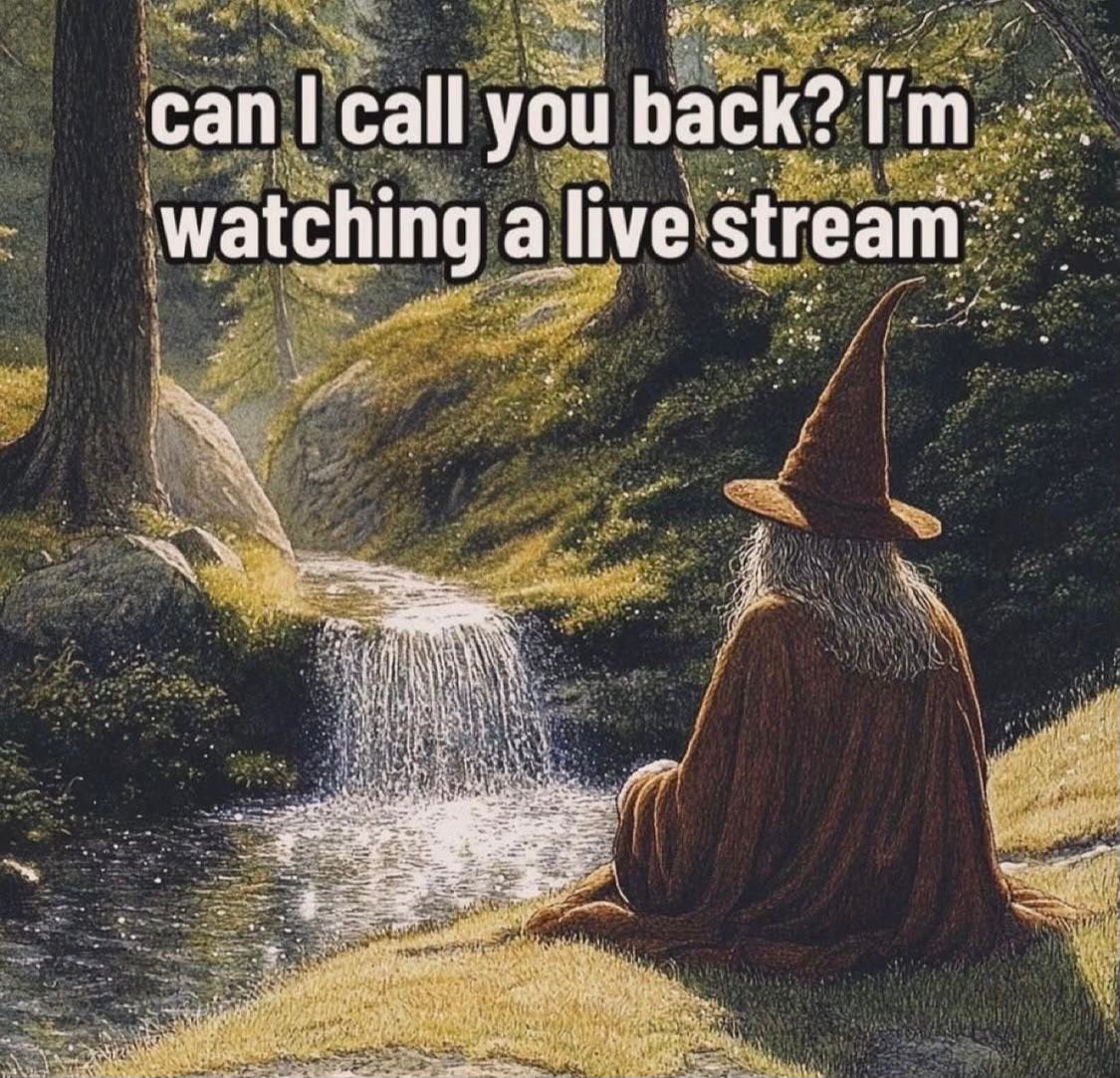
To be honest, I’ve found myself really burnt out by social media in the last year. As someone who has blogged, written publicly and has shared content on social media for over 10 years, it’s a hard place to come to when you feel like you just “can’t” anymore. And I began to feel this way early this year not because I didn’t love my work or my community - I LOVE MY WORK and I value my community more than you know. But i’m a writer at heart, and writing in spaces that are designed for cheap dopamine hits and daily changing trends felt like a slow death for me. I kept noticing I would feel pressured to shorten my writing, consolidate the message or take things out to make it “fit” within the confines of Instagram or Tik Tok. And all I wanted to do was let words flow, let things pour out and share all the details and nuance possible. But that doesn’t work in the traditional social media setting.
I find a lot of peers and clients who run businesses online share the same thing - there’s a never ending box you feel like you have to fit in and a pace that is so fast it’s exhausting to keep up.
So that’s one part, trying to write within tight limits and draining algorithms.
But then why is substack different? How is writing on substack or even consuming its content such a softer experience than traditional social media? How can it even benefit us when we use it in the way I’m about to suggest? Pull up a chair, pour some tea - let’s talk about it.
The Power of Storytelling
It’s funny how social media was originally designed to be a place to socialize. I mean, it’s in the name “social media”. It was supposed to be a place to share snippets of your life (remember the good ol’ days when we’d just post a photo of our food or our dog or a tree) and a place to link up with friends and family members. So many of us still want some form of that - community, connection, staying in touch with others, the simple things that spark joy. And maybe that’s a big part of why we stay on social media (aside from the addictive algorithm ha!) because we are still trying to cultivate and find pockets of community, connection and stories we really value.
Substack has this beautiful way of preserving that. Because long form content is, well, long. Stories have more depth, writing has more power, content has more nuance - more space to breathe inside of it. It’s not a quick 60 second video or one-liner quote, it’s a journey of learning something new, hearing someone’s vulnerable story, or taking in one piece of information at a time. This is where we can actually find the information that matters to us without having to push through too much noise.
Storytelling is healing. I can’t tell you the amount of personal stories i’ve read here on substack that moved me, that really resonated or really inspired me. That doesn’t happen as often on other social platforms unless you really know how to look for it or follow pages that you already know you resonate with. But even then, there’s so much distraction and noise around it.
Substack offers something different. Room to read. Space to breathe. And time to actually digest what you’re absorbing.
Slowing Down the Information Consumption
You ever wonder why “information” feels so overwhelming these days? Not because information is inherently wrong, but because so much of it is delivered way too quickly. Everything is FAST so we end of taking in 10-20 completely different bites of information (news, opinions, trends, gossip, quotes, funny memes, outfit videos) all in the matter of minutes. That’s a lot. Reading long form content slows down the process of taking in information. Instead of taking in 20 different things within 5 minutes, we’re reading one depth filled article in 10 minutes. Notice the difference? Less is actually more.
It may feel like a lot at first. Seeing an article with a read time of 20 minutes and thinking “wow that’s long, I don’t have the time for that”. But how often have we spent 20, 30 minutes, even hours on our phone scrolling through social media without realizing? I know I have.
Long form content allows you to choose your journey. What do you actually want to read more of, see more of, absorb more of? Choose that and then see what it’s like to take it in slowlyyyyyy.
Writing Regulates Your Emotions
Quite literally my favorite thing about Substack and long form content is that it gives you space to actually feel present, balanced and centered afterwards! Is that even a thing on most social media platforms?!
While the act of physical writing helps to balance the left and right hemisphere of your brain, any sort of writing can also help you process emotions and discharge pent up stress energy.
Let me give you an example. Not too long ago I was having a REALLY hard week. Like everything felt like it was falling apart and I didn’t have any inspiration in me to create or do anything. I was feeling ALL the things and did not know what to do. So in the midst of my own mini breakdown, I sat down at my computer and just started writing. I had no idea what I was writing or what the point of it was going to be - but I wrote anyways. I wrote from the place of being stuck, of feeling like everything was falling apart, I wrote from the emotions that were surging through me instead of waiting to feel “better” so I could “write clearer”. I wrote from the grief, from the anxiety, from the fear. And by the end of it, guess what? So much settled within me.
And it wasn’t just this one time - this is something I fundamentally believe in and is a BIG part of my own personal healing process. Writing through it. Writing through the pain. Writing through the fear. Writing through the grief. Writing though the rage (my fave). Writing through the writers block (yes, just write “ I don’t know what to write” and see where you go) Writing IS HEALING.
If you’re new to writing or maybe you are a writer but not sure how to use it as a healing tool, here’s some places to start:
Give yourself prompts to “reply” to: “What am I overthinking about lately?” “What am I looking forward to most this week?” “What am I feeling in my body today and what kind of thought loops is that creating?” “What am I feeling most uncertain about right now?”
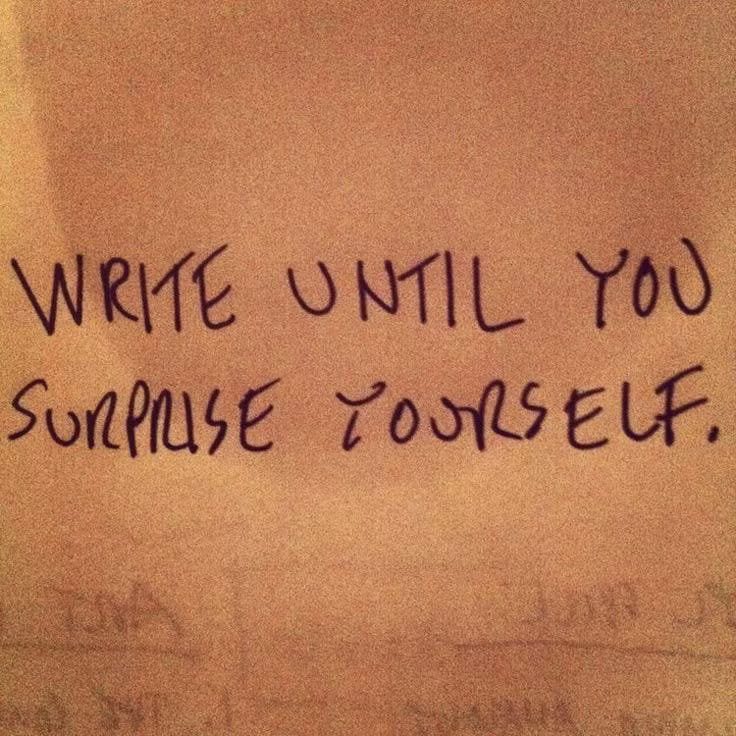
Let it be messy: I find so many of us try to be really eloquent and clear with our writing -which is great. If we’re writing a book or a published article, this is important. But if it’s for your own processing - let it be imperfect, let it not make sense, let it be messy. Hell, sometimes I can’t even read my writing after i’ve allowed it to flow. This is processing.
Write as if you were speaking your thoughts. So many of us overthink and get stuck in thought loops. Let yourself write as if you are giving that voice. Even if it is embarrassing or negative, lets it come out - no one has to see it.
Write the way you want to write AND what you would want to read. That’s the beauty of writing. It’s not about trends or algorithms - it’s about depth, honest, personality, and connection. Write what you want.
Write a few sentences or paragraphs a day. Get int he habit of writing. Whether it’s in your journal, your notes app, anywhere - just let yourself get used to putting your thoughts into words.
Writing is such a powerful tool, and when it’s paired with community and connection, it can meet that longing within us to be socially connected online, create and build something without always having to face the overwhelm of the noise.
So how does this relate to Substack? It’s a writing platform. You don’t need to be a “writer” to write. You just have to have a voice that wants to be heard (and don’t we all have that in some way?) Substack supports your nervous system because it lets you create content in a way that helps your body and mind process. There are no trends to follow. There is no crazy algorithm. There is no cheap dopamine hit that you have to compete with. There is just a community of people who value writing, reading people’s stories and dropping into real, raw and depth filled information. Which brings me to my last point.
A Community of People Who Want to Read What You Have To Say!
Ahh, a breath of fresh air! Especially for a writer. I can’t tell you the amount of times I had comments from friends or family members about how “long” my captions were on Instagram. I’m a wordy person by nature and it’s hard to condense words into a character count, so when I entered Substack, it truly felt like such a relief. Not only that, but this is a community where people are expecting to read long essays and articles - they want the details! Don’t you?! I know I do.
It’s so nice to be in a space where everyone has this mutual understanding and longing for long form content, slow consuming and depth! It’s almost impossible to “scroll” on Substack because you have to pause to read. And that’s a good thing. Platforms like this slow us down!
I think so many of us are longing for that - a place to slow down. To stay connected without having to be overwhelmed, overstimulated or simply dysregulated by the content coming towards us. And don’t get me wrong, Instagram and other social platforms have their place and I really value those spaces for other things as well. There’s just a missing piece that substack offers that I think our world needs more of.
But whether you want to start a substack or not (maybe you’re just here to be a reader and that’s great!) the most important thing to know is that writing is healing. Whether it’s on a blog, in your journal (my personal fave), in your notes app (another fave), or a word document - writing gives you an outlet and we all need one.
So no matter who you are, where you are, what you’re longing for - remember that you don’t have to be a “writer” to write. If you have words in your head and feelings in your body - you have a voice and that voice deserves to be written.
xx
Alexis
I was just thinking about this and you popped up in my feed, that's synchronicity
Thank you for sharing, Alexis ☺️ I always love the energy behind your words, just reading this piece felt like it offered a space to slow down & ground